

We are open from 9am – 5pm Tue – Friday.
Sat 9am – 1pm. Mon & Sun Closed.






The Dry Eye Clinic is a specialist eye care service set up by our optometrist Richard Taylor to diagnose and manage ocular surface disease, relieve ocular surface symptoms and prevent long-term complications. Ocular surface disease is largely undiagnosed and untreated yet it affects a significant number of people.
What is Ocular Surface Disease?
Ocular surface disease is a multifactorial disease of the tears and ocular surface that results in symptoms of discomfort, visual disturbance and tear film instability with the potential to damage the ocular surface. It is accompanied by increased osmolarity (saltiness) of the tear film and inflammation of the ocular surface.
This general term is used to describe a range of conditions that affect the surface of the eye:
- Dry Eye Disease (DED) – A reduction in the volume and quality of tears
- Blepharitis – An inflammatory condition of the eyelids
- Meibomian Gland Dysfunction (MGD) – Reduced oil production leading to tear evaporation from the surface of the eye
What causes Ocular Surface Disease?
Ocular surface disease is often associated with ageing but may be exacerbated by certain medications and other medical conditions. Dry eye disease is due to either a lack of the watery layer (aqueous deficiency) or issues with the meibomian glands (evaporative) but most commonly is ‘mixed’. This means that there is an element of aqueous and evaporative dysfunction. Systemic health conditions and medications used to manage them can also lead to dry eye and dry eye symptoms.
Sjogren Syndrome and Rheumatoid Arthritis are examples of auto-immune diseases that cause not only dry eye but dryness of the mouth, nose and other mucous-lined membranes. Treatments for hay fever (antihistamines), acne, contraceptive medications, HRT and anti-depressants can contribute to dry eye. Even other drops (such as glaucoma medication) can cause associated problems.
You should always consult your medical practitioner before ceasing or changing any prescribed medications.
There are however, some environmental factors that can trigger ocular surface disease. Adopting healthy habits around these, can help to ease some symptoms.
- Technology: With so many people using computers and our reliance on smart phones and tablets, it’s not surprising that we’re seeing more people with ocular surface disease symptoms. When we are concentrating on screens, the rate at which we blink decreases and we tend to blink incompletely. This means that the tears that keep our eyes hydrated have more time to evaporate between blinks, contributing to dryness.
- The weather: Our eyes are also affected by the weather. In the winter, increased exposure to the cold wind and central heating can dry our eyes. But in spring, hay fever means ocular surfaces often get worse – it’s not helped by antihistamines which can actually cause further dryness!
- Contact lenses: People who wear contact lenses are far more susceptible to ocular surface disease, which is why regular appointments are vital. Discomfort from dryness is a major reason why people stop wearing lenses, but luckily there are things that we can do to help.
How is Ocular Surface Disease treated?
In some cases, symptoms can be relieved by altering the external influences mentioned above. Simple changes in environmental factors can help – for example, avoidance of dehydrating factors such as air conditioning or regular breaks away from work on computer screens. Protecting your eyes with spectacles or sunglasses from other factors such as cold wind may also help.
Your treatment may include in-practice procedures and at-home therapies depending on the cause of your ocular discomfort and/or signs of ocular surface disease.
Meibomian Gland Dysfunction accounts for 86% of ocular surface disease that can lead to irreversible structural and functional changes if left untreated. At-home therapies could include a combination of moist heat mask use and massage, eyelid scrubs, eye drops, prescription medications, blinking exercises and Omega-3 diet supplementation.
Our in-practice treatments include:
- E-Eye – Intense Regulated Pulsed Light treatment (IRPL / IPL)
- Mibo ThermoFlo – Thermal pulsation providing gentle heat and massage to the eyelids.
- Microblepharoexfoliation (Bleph-Ex) A deep clean of the eye lid margins and lashes.
- In-house treatments for Demodex blepharitis including prescription medications and manual lid / lash debridement.
- Fitting of dissolvable and / or permanent punctal plugs to create a reservoir of tears.
There is no cure for ocular surface disease, but it can be managed well with treatments once the cause is understood. Maintenance will be required to stay comfortable for as long as possible.

OUR DRY EYE EXAMINATION SERVICES WITH RICHARD TAYLOR

Our comprehensive dry eye assessments are an hour long and carried out by our Specialist Optometrist, Richard Taylor. Richard runs our dry eye clinic and has been treating patients suffering with dry eye and ocular surface disease for many years, both in private practice and within the hospital eye service. He has undertaken additional training at Moorfields Eye Hospital, St Thomas’ Hospital, Bournemouth and Southampton Eye Units. He is one of a handful of UK optometrists with a Diploma in Independent Prescribing allowing him to prescribe medications just like an ophthalmologist (Eye Doctor). He is committed to pursue solutions for the toughest dry eye patients including moderate to severe dry eye, Sjogren’s Syndrome, Rheumatoid Arthritis and other autoimmune diseases. He often attends seminars and conferences around the world to keep up to date with the latest technology and dry eye treatments.
As a dry eye sufferer myself I am committed to providing relief and educating my patients on the condition and how best to manage it. Now, more than ever, I am seeing patients using eye drops for ocular discomfort associated with dry eye syndrome. Dry eye is a complex, multifactorial disease and though using hot compresses, lid hygiene and topical lubricant drops work short term, they only address the symptoms of the disease not the cause. I aim to find the root cause of your ocular surface disease and provide lasting treatments to bring you prolonged relief. A lot of patients I treat find they are drop free or at least using significantly fewer eye drops after treatment. It is worth remembering that maintenance will be required to sustain paramount ocular comfort
WHAT YOU NEED FOR THE TEST
Our comprehensive private and comprehensive NHS examinations use cutting edge technology such as OCT (LINK) and digital retinal photography. The longer appointments allow us to spend an extended time with you, utilising procedures not covered in a basic NHS Sight Test.
We want all patients to experience the higher standards of care and we believe that whatever your eligibility, you should have the most comprehensive examination we offer.
Our optometrists recommend the comprehensive eye examination for all so if you are eligible for an NHS sight test, we only ask you to pay the top up to our comprehensive examination fee, please allow a minimum of 45 minutes for these examinations.
CHECKLIST
- If you are taking prescription medication it is important to bring along the details, such as a print out of your most recent prescription.
- Please bring along your present spectacles, sunglasses and any magnifiers, if you use them.
- Contact lens wearers should wear their lenses to the appointment (unless specifically asked not to).
- If you wear contact lenses, please bring along your spectacles and contact lens case to your appointment.
- If you have any special requirements, please let one of our staff know at the time of booking the appointment. Our consulting room is accessible via 5 small steps. If you are needing assistance, please make us aware and we will happily assist you.
- We are more regularly using dilation drops; it is recommended not to drive straight after dilating drops. If you need to drive, make sure you have your driving glasses with you (if you wear them) and consider using sunglasses to make you more comfortable.
NHS Eligibility
Changes in NHS regulations since 2001 mean that we may require evidence of NHS eligibility. Please bring your NHS card or benefits booklet as evidence of entitlement. You are entitled to an NHS sight test at intervals specified by the NHS; an eye examination within that interval may incur a charge.
Who qualifies for an NHS Sight Test?
- Children under 16
- Full time students under 19
- Over 60s
- People with diabetes or glaucoma
- People over 40 with immediate family history of glaucoma
- Those registered blind or partially sighted
- Those receiving Income based benefits, i.e. Income Support, Working Families Tax Credit, Income Based Job Seekers Allowance and Pension Credit Guarantee Credit.
- Those with a complex lens prescription
- Those holding a HC2/3 form
WHAT WILL MY EXAMINATION INCLUDE?
Speed II questionnaire
These are useful to establish a baseline of your condition and track the progression of your symptoms over time.
History and Symptoms
We will discuss your history of ocular surface disease in depth. Please bring a list of current medications you take including any eye drops and any previous treatments you have had.
Lash Sample
To establish the presence of Demodex mites.
Slit lamp Examination
Examination of your eyes, lids, lashes and lacrimal duct. We use diagnostic dyes such as Fluorescein and Lissamine Green and often use topical anaesthetics to manually express your meibomian glands to assess the consistency of oil being produced. We regularly carry out manual lid debridements at these appointments to help kick start your lid hygiene regimen.
Pre-tests using our Lacrydiag Ocular Surface analyser
Interferometry – Qualitative and quantitate analysis of the lipid layer of your tears.
Tear meniscus – Measurement (mm) of the height of the aqueous layer of your tear meniscus.
Non-Invasive break-up Time – Evaluation of tear film stability within the mucin layer.
Meibography– Qualitative analysis of the meibomian glands in the upper and lower eyelids; this will allow visualisation of the glands allowing calculation of any gland loss or atrophy, also how your glands are functioning.
Video analysis of your blink. This shows how you blink, if you and blinking enough and the completeness of your blink pattern.
Summary of your condition, written report and treatment plan
Depending on the severity of your dry eye disease or if you have an eyelid condition that may require surgical correction, you may also be referred to other medical doctors we work closely with. Also, if you have an underlying condition that could be exacerbating your symptoms, you may be referred. Do not stop taking a prescribed medicine without getting medical advice first, even if you think it is causing your dry eye symptoms. Prescription medication and other procedures that may be beneficial to treat your conditions will be offered specific to your needs in this clinic.
THE WORKING SOLUTION TO TREAT DRY EYE
The results of several independent International Dry-Eye studies speak for themselves….
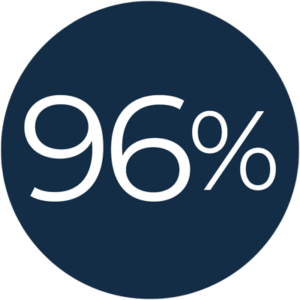
RECOMMEND THE TREATMENT
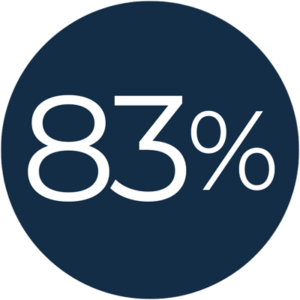
CONFIRM IMPROVEMENT OF SYMPTOMS
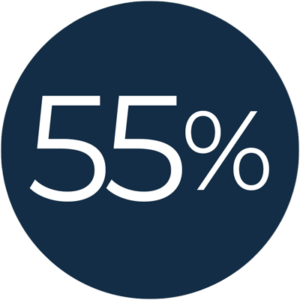
STOP USING EYE-DROPS AFTER THE TREATMENT
HOW CAN WE HELP?
Contact David White Opticians Today
23 Market Place
Romsey Hampshire
SO51 8NA
Tel: 01794 517311